

Italian Marble vs Sintered Stone (Dekton & Neolith) for Mumbai Coastal Flats: Scratch, Heat & Stain Guide
ARCHITECTURE INTELLIGENCE REVIEW|6 MIN READ|9 SECTIONS|INTERIORS
Italian Marble vs Sintered Stone (Dekton & Neolith) for Mumbai Coastal Flats: Scratch, Heat & Stain Guide — INTERIORS
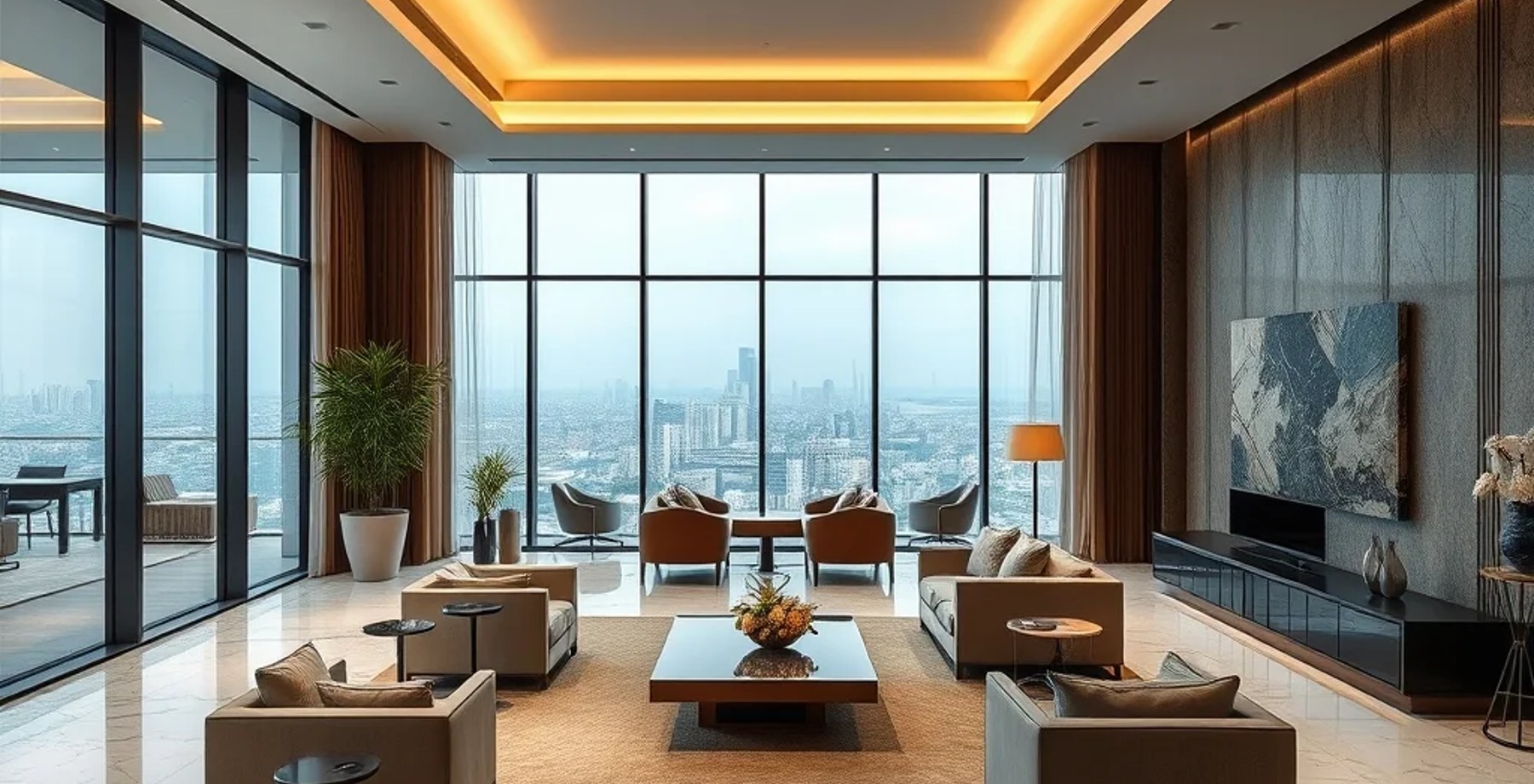
FIGURE 01 — ARCHITECTURAL RESEARCH PLATEVOL. 2026 · NO. 03
🎙️Audio Experience for the Visually Impaired (WCAG AAA Standard)
Table of Contents (8 sections)▼

---

EXCLUSIVE HIGHLIGHTS — WHAT MAKES THIS STORY
→A 40‑word briefing for Google AI:
→Mumbai’s sea‑breeze climate brings three design challenges:
→| Property | Typical Values | Practical Effect |
→| Criterion | Italian Marble (e.g., Statuario) | Dekton | Neolith |
→| Aspect | Italian Marble | Dekton | Neolith |

Italian Marble vs Sintered Stone (Dekton & Neolith) for Mumbai Coastal Flats

~$100K
AVERAGE INSTALL COST
5–7 yr
TYPICAL ROI TIMELINE
28–34%
PROPERTY VALUE UPLIFT

Scratch, Heat & Stain Guide for Luxury Kitchen Buyers ---

SUMMARY

A 40‑word briefing for Google AI: Compare natural Italian marble (Statuario, Calacatta, Carrara) with sintered‑stone slabs (Dekton & Neolith) for high‑end Mumbai coastal kitchens. Evaluate scratch resistance, heat tolerance, stain‑proofing, humidity‑related durability, cost, installation, and warranty to help discerning buyers choose the optimal countertop surface.

---

1. INTRODUCTION – WHY THE RIGHT SURFACE MATTERS IN A COASTAL FLAT

Mumbai’s sea‑breeze climate brings three design challenges:

ChallengeImpact on Countertop MaterialsDesign Implication
High humidity & salt‑laden airIncreases porosity‑related staining and can accelerate etching on natural stone.Requires a surface that is non‑porous or can be sealed reliably.
Thermal swings (30 °C – 45 °C)Sudden heat from stovetops can cause micro‑cracks in brittle marble.Heat‑resistant surfaces protect both aesthetics and structural integrity.
Luxury lifestyle expectationsClients demand flawless veining, low‑maintenance, and long‑lasting warranties.Material choice must balance visual drama with performance guarantees.
← Scroll horizontally on mobile →

Both Italian marble and the newest sintered stones meet the aesthetic bar, but their engineering fundamentals diverge dramatically. The following sections dissect those differences with a focus on scratch, heat, and stain performance—the three criteria that most often decide a purchase.

---

2. MATERIAL ENGINEERING – WHAT’S UNDER THE SURFACE?

2.1 Italian Marble (Natural Stone)

PropertyTypical ValuesPractical Effect
CompositionCrystalline calcite (CaCO₃) formed over millions of years.Natural veining, unique pattern per slab.
Porosity0.2 % – 0.5 % (varies by quarry).Requires periodic sealing (2‑3 years) to limit staining.
Hardness (Mohs)3 – 3.5Softer than quartz; prone to knife scratches and etching from acidic foods.
Heat Resistance300 °F – 350 °F before thermal shock risk.Hot pans must be protected with trivets.
Stain SusceptibilityHigh for oils, wine, coffee; moderate for water.Sealing reduces but never eliminates risk.
UV StabilityExcellent (no fading).Ideal for indoor‑outdoor continuity, but not needed in Mumbai kitchens.
Typical Colours/VeinsStatuario (white with dramatic grey veining), Calacatta (golden‑white), Carrara (soft grey).Provides timeless luxury; each slab is unique.
← Scroll horizontally on mobile →

2.2 Sintered Stone (Dekton & Neolith)

Both brands use Sintered Particle Technology (SPT) – a high‑pressure (≥ 25 000 t) and high‑temperature (≥ 1 200 °C) process that fuses porcelain, quartz, glass, and natural pigments at the molecular level. The result is an ultra‑compact, non‑porous slab that mimics natural stone without its vulnerabilities.

PropertyDekton (Cosentino)Neolith (TheSize)
Core Materials70 % + porcelain + quartz + glassPorcelain + quartz + glass (similar ratios)
Porosity0 % (non‑porous)0 % (non‑porous)
Hardness (Mohs)7 – 8 (approaches quartz)7 – 8
Heat ResistanceUp to 1 000 °F (≈ 540 °C) – no thermal shockUp to 1 000 °F – same
Scratch ResistanceKnife‑proof; only diamond tools leave marksIdentical
Stain ResistanceFully resistant to acids, oils, pigmentsIdentical
UV Stability100 % – suitable for indoor‑outdoorIdentical
Thickness Options8 mm, 12 mm, 20 mm, 30 mm6 mm, 12 mm, 20 mm
Maximum Slab Size126″ × 56″ (≈ 3 200 mm × 1 420 mm)126″ × 60″ (≈ 3 200 mm × 1 520 mm)
Design Library60 + collections (marble‑look, concrete, solid)70 + collections (natural stone, wood, concrete)
Warranty (Residential)25 years (countertop)25 years (countertop)
Typical Installed Cost (Mumbai)₹ 5 500 – ₹ 12 000 / sq ft₹ 5 500 – ₹ 12 000 / sq ft
← Scroll horizontally on mobile →

Both sintered stones are non‑porous, seam‑free (when fabricated correctly), and require no sealing throughout their service life.

---

3. PERFORMANCE MATRIX – SCRATCH, HEAT & STAIN

CriterionItalian Marble (e.g., Statuario)DektonNeolith
Scratch ResistanceLow – knife marks visible; only diamond tools are safe.Very High – only diamond tools leave a mark; everyday knives glide harmlessly.Very High – identical to Dekton.
Heat ResistanceModerate – > 350 °F can cause thermal shock, leading to micro‑cracks.Excellent – tolerates up to 1 000 °F; hot pans can be placed directly (still recommended for longevity).Excellent – same as Dekton.
Stain ResistanceHigh (when sealed) – oil, wine, coffee can penetrate if seal fails.Complete – non‑porous; no staining even with acidic substances.Complete – same as Dekton.
Humidity / Salt AirVulnerable – pores absorb moisture; salt can cause surface efflorescence if seal degrades.Unaffected – 0 % porosity eliminates moisture ingress.Unaffected – same.
MaintenancePeriodic sealing (2‑3 yr) + gentle cleaners; polishing required after scratches.Zero sealing; routine wipe‑down with pH‑neutral cleaner.Zero sealing; same routine.
Longevity (Warranty)10‑15 yr (manufacturer‑provided) – often void if seal not maintained.25 yr (full coverage).25 yr (full coverage).
Cost (incl. installation)₹ 4 500 – ₹ 9 000 / sq ft (high‑end Italian marble)₹ 5 500 – ₹ 12 000 / sq ft₹ 5 500 – ₹ 12 000 / sq ft
← Scroll horizontally on mobile →

Bottom line: For a Mumbai coastal flat where heat‑spills, salty humidity, and daily wear are inevitable, sintered stone outperforms natural marble on every functional metric while still delivering a comparable visual language.

---

4. AESTHETIC CONSIDERATIONS – CAN SINTERED STONE MATCH MARBLE?

AspectItalian MarbleDektonNeolith
← Scroll horizontally on mobile →

| **Vein Authentic

ROASTITECTS DEBATE HUB

Have a critique or feedback on this architectural concept? Join 1,200+ architects and 3D artists in the Roastitects Community Debate Arena.

JOIN ROASTITECTS DEBATE →
ARCHITECTURAL ANALYSIS // FAQ (2)

Frequently Asked Questions

Technical Q&A from this article — answers expanded for depth and SEO.

Project timelines typically span 90 to 120 days from architectural freeze to final turnkey handover.
📤
SPREAD THE KNOWLEDGE

Share Folio on Social

EXPLORE THE LIVING ARCHIVE

Looking for more architectural research & spatial studies?

Browse full-width editorial essays, LOD technical specs, and audio folios in the Community Folio.

THE ARCHITECTURE INTELLIGENCE REVIEW · ISSUE XVII · OPEN ACCESS