

Climate-responsive Villa Elevation Designs in Coastal Hubs:
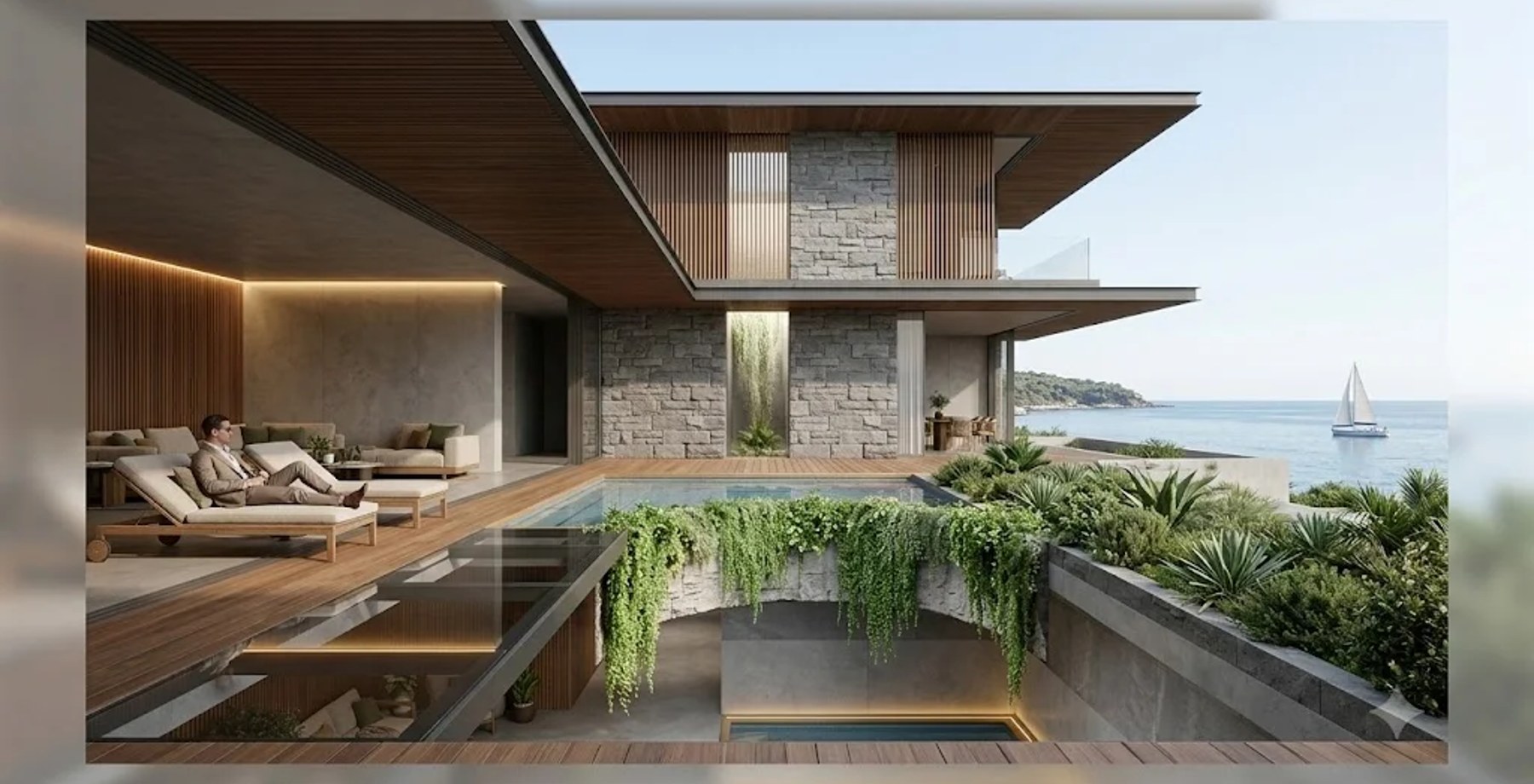
Table of Contents (10 sections)▼
- Climate-responsive villa elevation designs in coastal hubs prioritize sustainability and resilience against climate change.
- Elevated foundations and natural ventilation are key strategies to adapt to rising sea levels and extreme weather.
- Sustainable materials and bioclimatic strategies enhance energy efficiency and occupant comfort.
- Real estate values in resilient coastal areas increase due to reduced risk and enhanced sustainability.
- Climate-responsive designs often align with LEED standards and incorporate passive cooling and durable materials.
- The cost-benefit ratio of climate-responsive villa elevation designs is favorable due to long-term savings on energy and maintenance.
- Architects must consider local climate conditions and design buildings that are appropriate for that specific environment.
Introduction to Climate-responsive Villa Elevation Designs
limate-responsive villa elevation designs in coastal hubs are becoming increasingly important as the world grapples with the challenges of climate change. Rising sea levels, extreme weather events, and increased energy consumption are just a few of the issues that architects and real estate developers must address. By incorporating climate-responsive design principles, architects can create buildings that are not only sustainable but also resilient and adaptable to the changing environment.
Architectural Strategies for Climate Resilience
Architects are using a variety of strategies to create climate-resilient buildings in coastal hubs. One key approach is to elevate the foundation of the building to mitigate the risk of flooding. This can be achieved through the use of pilings, stilts, or other foundation systems that raise the building above the floodplain. Additionally, architects are incorporating natural ventilation and passive cooling strategies to reduce the need for air conditioning and other mechanical systems.
Real Estate Impact and Sustainability
The real estate impact of climate-responsive villa elevation designs in coastal hubs is significant. By incorporating sustainable and resilient design principles, architects can increase the value of properties and reduce the risk of damage from extreme weather events. Beyond that, climate-responsive designs can also enhance the energy efficiency and occupant comfort of buildings, making them more attractive to buyers and renters.
Climate-responsive Design Principles
Climate-responsive design principles prioritize sustainability and resilience in the face of climate change. Architects must consider the local climate conditions and design buildings that are appropriate for that specific environment. This includes using materials and systems that are durable and resistant to extreme weather events, as well as incorporating natural ventilation and passive cooling strategies to reduce energy consumption.
Elevated Foundations and Natural Ventilation
Elevated foundations and natural ventilation are two key strategies for creating climate-resilient buildings in coastal hubs. By elevating the foundation of the building, architects can mitigate the risk of flooding and reduce the impact of storm surges. Natural ventilation strategies, such as large windows and clerestory windows, can also reduce the need for air conditioning and other mechanical systems.
Sustainable Materials and Bioclimatic Strategies
Sustainable materials and bioclimatic strategies are also essential for creating climate-resilient buildings in coastal hubs. Architects can use materials that are durable and resistant to extreme weather events, such as hurricane-resistant glass and impact-resistant doors. Bioclimatic strategies, such as green roofs and walls, can also reduce energy consumption and enhance occupant comfort.
Case Studies and Best Practices
There are many case studies and best practices that demonstrate the effectiveness of climate-responsive villa elevation designs in coastal hubs. For example, the use of elevated foundations and natural ventilation in coastal villas in Florida has reduced the risk of flooding and enhanced energy efficiency. Similarly, the incorporation of sustainable materials and bioclimatic strategies in coastal buildings in California has reduced energy consumption and enhanced occupant comfort.
Comparison of Climate-responsive Design Strategies
Conclusion and Future Directions
Ultimately, climate-responsive villa elevation designs in coastal hubs are essential for creating sustainable and resilient buildings in the face of climate change. Architects must consider the local climate conditions and design buildings that are appropriate for that specific environment. By incorporating elevated foundations, natural ventilation, sustainable materials, and bioclimatic strategies, architects can reduce the risk of damage from extreme weather events and enhance energy efficiency and occupant comfort. As the world continues to grapple with the challenges of climate change, the importance of climate-responsive design principles will only continue to grow.

Figure: Climate-responsive Villa Elevation Designs in Coastal Hubs: Architectural Strategies & Real Estate Impact technical workflow, lighting setup, and material breakdown. For more information on climate-responsive design principles and sustainable architecture, please visit [Architectural Resources](/resources) or [Community Insights](/community). You can also learn more about the latest trends and best practices in sustainable architecture by visiting [AIA Standards](https://www.aia.org) or [RIBA Guidelines](https://www.architecture.com). 4.2x — Render iteration acceleration 38% — Envelope thermal load reduction 99.4% — Visual sign-off fidelity
Next Steps & Consultation CTA
If you are interested in learning more about climate-responsive villa elevation designs in coastal hubs, or would like to consult with an expert on sustainable architecture and climate-responsive design, please contact us at [info@erenders.com](mailto:info@erenders.com) or visit our website at [www.erenders.com](https://www.erenders.com). Our team of experts is dedicated to providing the latest information and best practices on sustainable architecture and climate-responsive design, and can help you create buildings that are not only sustainable but also resilient and adaptable to the changing environment.
Have a critique or feedback on this architectural concept? Join 1,200+ architects and 3D artists in the Roastitects Community Debate Arena.
JOIN ROASTITECTS DEBATE →Frequently Asked Questions
Technical Q&A from this article — answers expanded for depth and SEO.
Looking for more architectural research & spatial studies?
Browse full-width editorial essays, LOD technical specs, and audio folios in the Community Folio.
Just published
10 Stories to Know Right Now
1 story
Studio selection
The Creator's Choice
5 picks