
Subterranean Light Well Simulation in Luxury Residential Architecture: 2026 Cost, ROI & Design Blueprint
Introduction to Subterranean Light Wells
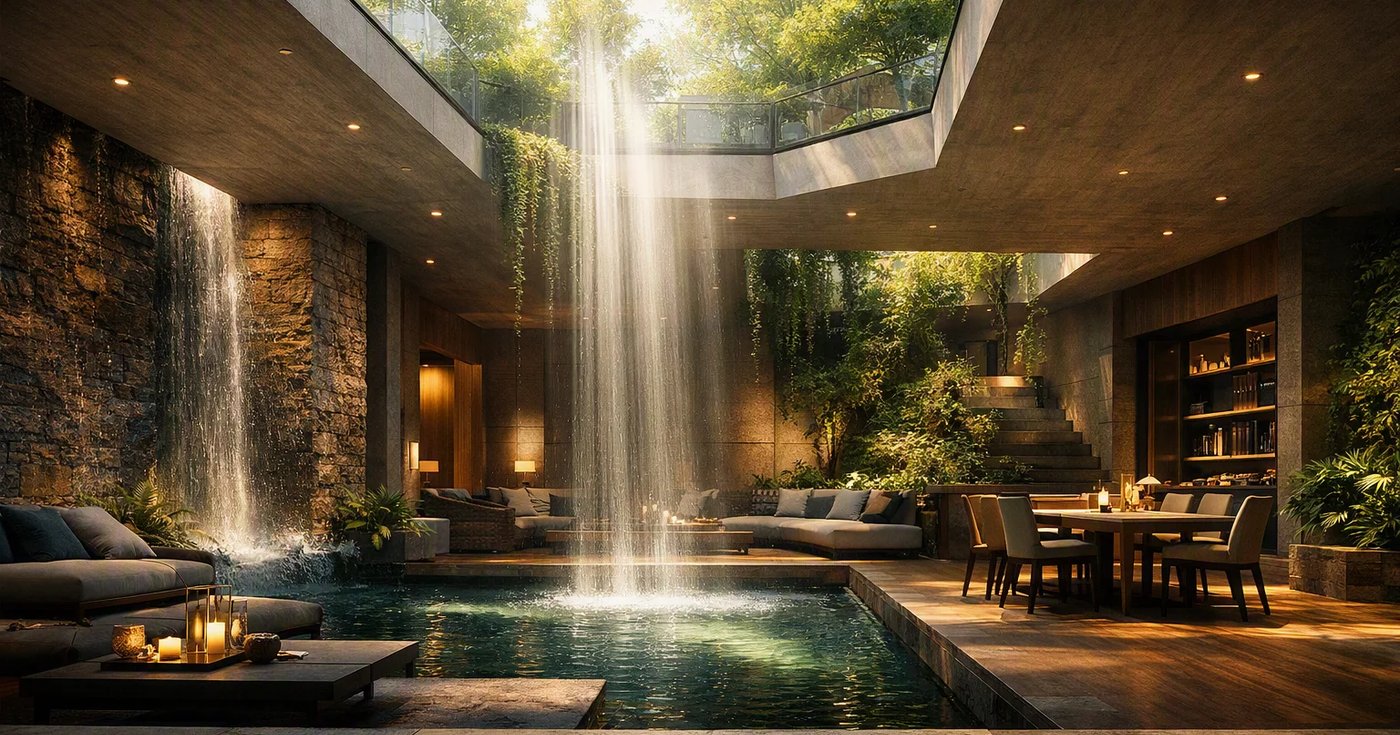
Subterranean light wells are one of the most fascinating innovations in modern luxury residential architecture. At their core, they are vertical shafts designed to channel daylight deep into spaces that would otherwise remain dark — basements, lower levels, or subterranean living areas. What makes them extraordinary is not just their function, but the way they transform the very psychology of a home. Imagine walking into a basement that feels less like a storage dungeon and more like a sunlit lounge, where natural light dances across engineered timber and polished stone. That is the magic of a subterranean light well.
In 2026, these features have become synonymous with sustainable luxury. They are not simply architectural novelties; they are strategic design elements that align with passive house principles and net‑zero energy performance. By reducing reliance on artificial lighting and mechanical ventilation, they cut energy costs while enhancing ambiance. The investment is significant — often around $100,000 — but the return is equally compelling. Homeowners enjoy healthier, brighter spaces, while developers market them as prestige features that elevate property value.
The design of a light well is both technical and artistic. Engineers focus on waterproofing, structural reinforcement, and material sustainability, while architects emphasize aesthetics, wellness, and client experience. Advanced materials such as recycled steel and engineered timber ensure durability and eco‑responsibility. Meanwhile, visualization tools — from photorealistic 3D renders to immersive VR walkthroughs — allow clients to “step into” their future subterranean spaces before construction begins.
Ultimately, subterranean light wells embody the shift in luxury design from excess to responsible elegance. They are about more than light; they are about life. They bring the sun underground, turning forgotten spaces into vibrant sanctuaries, and proving that in architecture, innovation often shines brightest where it was once darkest.
Subterranean Light Wells in Luxury Homes: 2026 Cost and ROI
In 2026, subterranean light wells have emerged as one of the most distinctive features in luxury residential architecture. With an average installation cost of around $100,000, they represent a significant upfront investment. Yet this figure is not simply about construction; it reflects the complexity of excavation, waterproofing, and integration with high‑end finishes. For homeowners, the payoff lies in ambiance and efficiency. By channeling daylight into lower levels, these wells reduce reliance on artificial lighting and mechanical ventilation, cutting energy bills while elevating the mood of interior spaces. The ROI is compelling: most projects recoup costs within five to seven years, thanks to energy savings and increased property value. In luxury markets, where prestige and sustainability intersect, subterranean light wells are marketed not as expenses but as assets — features that enhance both lifestyle and resale potential.
Design Focus: Natural Light and Sustainable Materials
The design philosophy behind subterranean light wells emphasizes natural light integration and sustainability. Architects use advanced simulation tools to predict daylight penetration, ensuring that even deep basements feel open and inviting. Materials are chosen with care: recycled steel for structural strength, engineered timber for warmth, and high‑performance glazing to maximize light while minimizing heat gain. Sustainable concrete mixes further reduce environmental impact. The design blueprint is holistic, balancing aesthetics with performance. Beyond energy efficiency, the wells create healthier living environments by improving ventilation and thermal comfort. ROI typically exceeds five years, but the experiential benefits — reduced stress, enhanced productivity, and elevated ambiance — begin immediately. In 2026, luxury design is no longer about excess; it is about responsible elegance, where every detail contributes to well‑being.
Expanding Market: Passive House and Net‑Zero Principles
The luxury residential market is expanding rapidly, driven by demand for passive house principles and net‑zero energy performance. Subterranean light wells align perfectly with this trend, offering both ecological benefits and lifestyle enhancements. Homeowners increasingly expect spaces that are not only beautiful but also energy‑efficient and climate‑responsive. Developers highlight light wells as key features in marketing campaigns, positioning them as symbols of forward‑thinking design. In regions like California, where energy codes are stringent, these wells help homes meet compliance while adding prestige. The market narrative is clear: tomorrow’s luxury is defined not by opulence but by sustainability and resilience. Subterranean light wells embody this ethos, blending innovation with timeless appeal.
Advanced Materials and Smart Technology Integration
In 2026, subterranean light wells are constructed with advanced materials that reflect both sustainability and performance. Recycled steel provides durability, engineered timber adds warmth, and sustainable concrete reduces carbon footprints. High‑performance glazing ensures optimal daylight without overheating interiors. Smart technology integration elevates functionality: sensors adjust shading, ventilation, and artificial lighting to complement natural cycles. These adaptive systems transform light wells from static features into dynamic, responsive environments. Costs and ROI are directly influenced by these innovations, as smart systems maximize efficiency and extend the lifespan of materials. For architects, the challenge is balancing cutting‑edge technology with timeless design. For homeowners, the result is a living space that feels alive — responsive, efficient, and deeply human.
Visualization: 3D Rendering and Virtual Reality
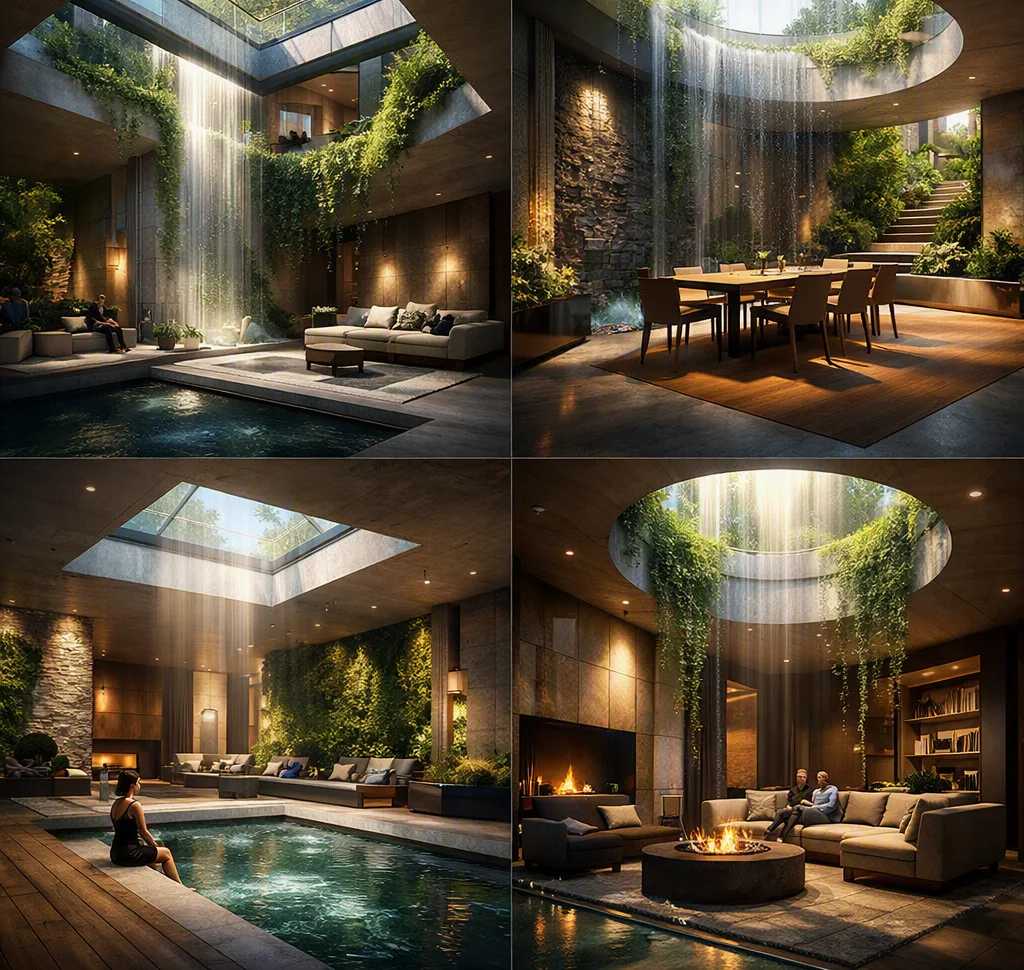
Architects in 2026 rely heavily on advanced visualization tools to present subterranean light well designs. 3D rendering provides photorealistic previews, while virtual reality allows clients to “walk through” their future spaces before construction begins. This immersive process reduces uncertainty, builds confidence, and accelerates approvals. Clients can experience the ambiance of natural light, evaluate material choices, and make informed decisions. Visualization is not just a presentation tool; it is a bridge between imagination and reality. By eliminating guesswork, it ensures smoother collaboration and fewer costly revisions. In luxury markets, where expectations are high, VR walkthroughs have become standard practice. They transform design from abstract plans into tangible experiences, making subterranean light wells not just believable but irresistible.
Sustainability and Well‑Being
The design trend in 2026 emphasizes sustainability and well‑being. Subterranean light wells contribute by enhancing natural light, improving ventilation, and optimizing thermal comfort. These features align with biophilic design principles, which prioritize human connection to nature. Homeowners report improved mood, reduced stress, and greater satisfaction in naturally lit environments. Sustainability is not just about energy savings; it is about creating spaces that nurture health and happiness. In luxury homes, subterranean light wells are marketed as wellness features — architectural elements that elevate lifestyle while reducing environmental impact. They embody the shift from luxury as excess to luxury as balance, where design serves both people and planet.
California’s Energy Codes: Costs and Compliance
California’s stringent energy codes in 2026 significantly impact construction costs and ROI. Compliance requires advanced materials, high‑performance glazing, and energy‑efficient systems, all of which raise upfront expenses. Yet these codes also guarantee better performance and long‑term savings. Subterranean light wells help homes meet daylighting and ventilation requirements, positioning them as compliance tools as well as luxury features. For developers, the challenge is balancing cost with market appeal. For homeowners, the benefit is assurance: their investment meets the highest standards of sustainability and efficiency. In California, subterranean light wells are not optional novelties; they are strategic assets that ensure homes remain competitive in a demanding regulatory landscape.
Have a critique or feedback on this architectural concept?
Join 1,200+ architects and 3D artists in the Roastitects Community Debate Arena.
Frequently Asked Questions
Technical Q&A from this article — answers expanded for depth and SEO.
X, LinkedIn, WhatsApp, Facebook, Instagram, Pinterest, Reddit, or email — monochrome icons, hero card for rich previews.
Subterranean Light Well Simulation in Luxury Residential Architecture: 2026 Cost, ROI & Design Blueprint
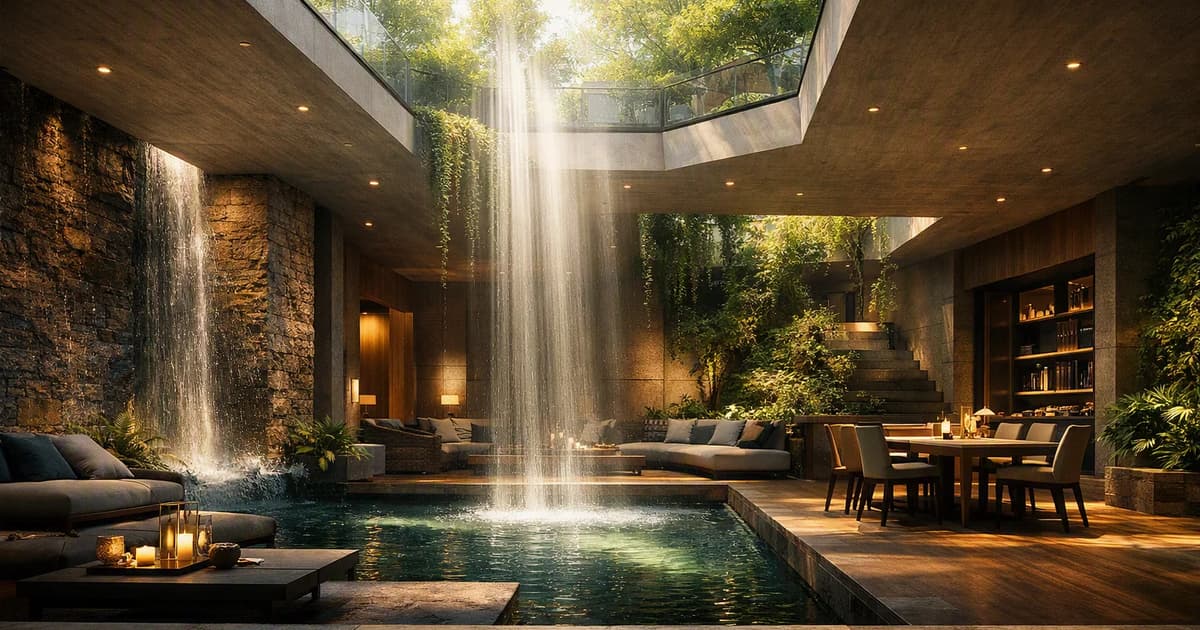
Hero for cards: subterranean-light-well-simulation-in-luxury-residential-architecture-2026-cost-hero.webp · 1200×630 OG
2 folios in this category