Strategic Advantage: Navigating IGBC, LEED & GreenPro Certification for Mumbai Residential Projects in 2026
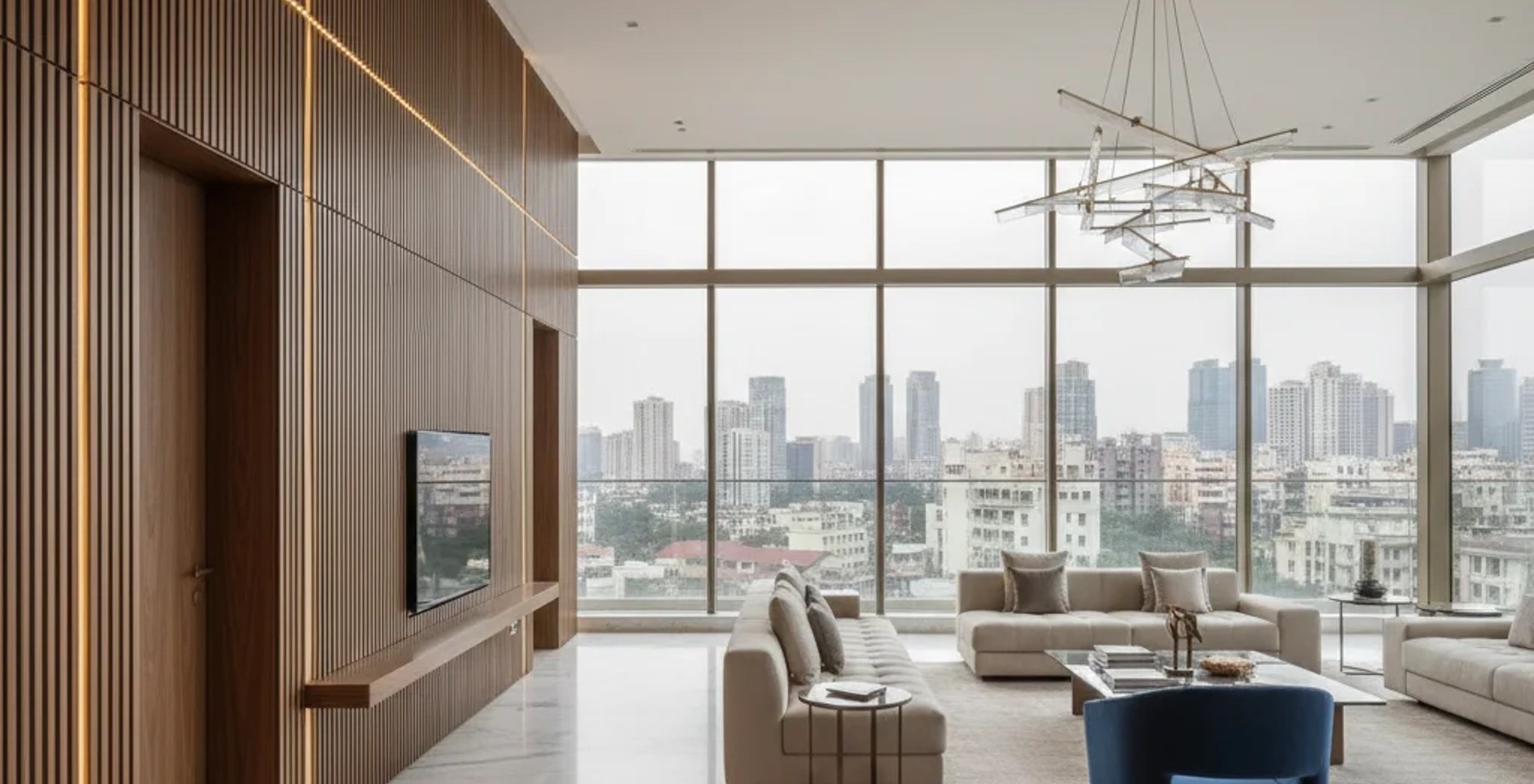
Table of Contents (6 sections)▼
n the competitive landscape of Mumbai’s real estate sector, sustainability is no longer a marketing differentiator; it is a regulatory and financial imperative. For developers and society redevelopment committees, the decision between IGBC (Indian Green Building Council), LEED (Leadership in Energy and Environmental Design), and GreenPro (CII’s rating system) is critical. As we enter 2026, the architectural and engineering protocols for achieving these certifications have matured, offering quantifiable returns on investment through operational savings and regulatory incentives.
This guide provides an authoritative breakdown of the costs, processes, and strategic advantages of green building certification for residential projects in Mumbai.
The Strategic Landscape: Why Certify in 2026?
Mumbai currently leads India in certified green structures, with 516 IGBC-certified buildings as of recent data. However, the momentum is shifting toward residential and redevelopment sectors. The primary drivers for certification in 2026 are:
Comparative Analysis: IGBC vs. LEED vs. GreenPro
While all three systems evaluate energy efficiency, water conservation, material sustainability, and site performance, their administration and cost structures differ significantly.
Cost Breakdown: The 50-Unit Residential Project
For a typical 50-unit residential apartment project in Mumbai, the financial implications of certification are as follows:
- Total Additional Investment (IGBC): Approximately INR 50–80 lakh.
- Registration Fees: INR 3–5 lakh.
- Consultant Fees: INR 5–15 per square foot (depending on complexity and credit target).
- Hardware & System Upgrades: Cost of high-efficiency MEP systems, sustainable materials, and monitoring infrastructure.
- LEED Certification: Significantly higher due to USD-denominated GBCI fees and more extensive documentation requirements. For a mid-sized project, total consultancy and fees can range from INR 15–50+ lakh, excluding hardware upgrades.
- ROI Timeline: The additional investment is typically recovered through 20-30% lower operating costs within 5-7 years.
Architectural & Engineering Execution: Material & System Specifications
Achieving Platinum or Gold certification requires precise material engineering and system integration. At ERENDERS, we integrate the following high-performance specifications into our turnkey interior architecture and visualization models:
#### 1. Glazing and Envelope
- Schüco Glazing Systems: Utilizing high-performance aluminum profiles with triple glazing and low-E coatings to minimize thermal gain. This is critical for Mumbai’s coastal humidity and heat load, directly impacting HVAC energy credits.
- Thermal Bridging: Detailed node analysis to ensure continuous insulation, reducing energy loss by up to 15%.
#### 2. HVAC and Energy Systems
- Daikin VRV (Variable Refrigerant Volume) Systems: Zoned climate control allows for precise temperature management in individual units, reducing standby energy consumption.
- Heat Recovery Ventilation (HRV): Integrated into common areas to maintain indoor air quality (IAQ) without excessive energy loss.
#### 3. Interior Finishes and Hardware
- Statuario Marble & Sustainable Stone: Sourced from certified quarries with low VOC emissions. Statuario’s high reflectivity reduces the need for artificial lighting in common areas, contributing to energy credits.
- SS316 Hardware: Marine-grade stainless steel (SS316) for all fixtures, ensuring longevity and resistance to Mumbai’s saline air, reducing replacement cycles and waste.
- Low-VOC Paints and Adhesives: Mandatory for Indoor Environmental Quality (IEQ) credits, ensuring safe air quality for residents.
Regulatory Protocol and Execution Timeline
The certification process in 2026 follows a structured timeline to align with construction phases:
- Selection of rating system (IGBC/LEED).
- Registration with the respective council.
- Initial energy modeling and site analysis.
- Detailed MEP design and material selection.
- Submission of pre-certification review documents.
- Integration of smart building systems for real-time monitoring.
- On-site audits for material compliance.
- Commissioning of HVAC, water, and electrical systems.
- Documentation of as-built conditions.
- Final submission and review.
- Issuance of certification (Certified, Silver, Gold, or Platinum).
Why Choose ERENDERS for Green Certification?
As an elite architectural visualization and turnkey interior architecture firm, ERENDERS bridges the gap between aesthetic excellence and sustainable engineering. We do not just visualize green buildings; we engineer them. Our team of architects, MEP engineers, and sustainability consultants work in tandem to ensure that every credit is earned without compromising on luxury or design integrity.
Whether you are a developer seeking to maximize FAR benefits in a Mumbai redevelopment or a society committee aiming to reduce long-term maintenance costs, ERENDERS provides the technical expertise and visual clarity to navigate the certification process.
Ready to transform your project into a certified green landmark?
[Contact ERENDERS for a Free Sustainability Audit](https://erenders.in/contact)
Have a critique or feedback on this architectural concept? Join 1,200+ architects and 3D artists in the Roastitects Community Debate Arena.
JOIN ROASTITECTS DEBATE →Frequently Asked Questions
Technical Q&A from this article — answers expanded for depth and SEO.
Looking for more architectural research & spatial studies?
Browse full-width editorial essays, LOD technical specs, and audio folios in the Community Folio.
Just published
10 Stories to Know Right Now
3 stories
- 01ARCHITECTURE9 min reading timeOct 29, 2026BIM & Revit Outsourcing for Indian Architecture Firms: Workflow, LOD Standards & Cost BenchmarksERENDERS Editorial Staff
- 02ARCHITECTURE8 min reading timeOct 24, 2026NRI Remote Home Construction in India: The 3D Digital Twin & Milestone Quality ProtocolERENDERS Editorial Staff
- 03ARCHITECTURE11 min reading timeSep 15, 2026Climate-responsive Villa Elevation Designs in Coastal Hubs:
Studio selection
The Creator's Choice
5 picks
- 01ARCHITECTURE11 min reading timeSep 15, 2026Climate-responsive Villa Elevation Designs in Coastal Hubs:
- 02ARCHITECTURE9 min reading timeOct 29, 2026BIM & Revit Outsourcing for Indian Architecture Firms: Workflow, LOD Standards & Cost BenchmarksERENDERS Editorial Staff
- 03ARCHITECTURE8 min reading timeOct 24, 2026NRI Remote Home Construction in India: The 3D Digital Twin & Milestone Quality ProtocolERENDERS Editorial Staff