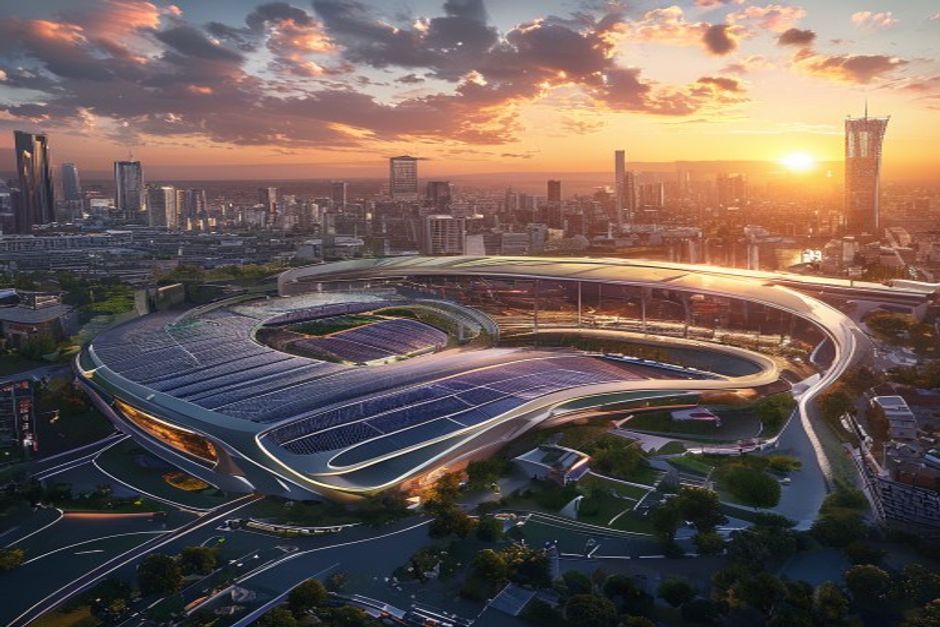
The United States is home to some of the world's most iconic sports stadiums, each with its unique character and design. From the retro-style Wrigley Field in Chicago to the modern AT&T Stadium in Texas, these venues have become an integral part of the country's sports landscape. Stylistic stadium design has become an essential aspect of the overall sports experience, providing an immersive environment for fans and players alike. In recent years, there has been a shift towards creating more sustainable and energy-efficient stadiums, incorporating green technologies and environmentally friendly materials into their design. This not only reduces the stadium's carbon footprint but also enhances the overall fan experience. One notable example is the Mercedes-Benz Stadium in Atlanta, which features a retractable roof and a unique façade system that provides natural light and ventilation. The stadium's design has been praised for its innovative use of materials and its commitment to sustainability. As the demand for more sustainable and technologically advanced stadiums continues to grow, architects and designers are pushing the boundaries of what is possible. The use of advanced materials and technologies, such as solar panels and green roofs, is becoming increasingly common in stadium design. These innovative designs not only reduce the stadium's environmental impact but also provide a unique and exciting experience for fans. In addition to sustainability, stylistic stadium design is also focused on creating an immersive and engaging environment for fans. This can include the use of interactive technologies, such as video screens and mobile apps, to enhance the fan experience. The use of social media and other digital platforms has also become an essential aspect of stadium design, providing fans with a way to connect with each other and share their experience. As the sports landscape continues to evolve, it will be interesting to see how stylistic stadium design adapts to changing fan expectations and technological advancements. The future of stadium design is likely to be shaped by a combination of factors, including sustainability, technology, and fan experience. One thing is certain, however: the stadiums of the future will be designed to provide an unparalleled experience for fans, while also minimizing their impact on the environment. The importance of stylistic stadium design cannot be overstated, as it has the power to transform the sports experience and create a lasting impression on fans. By incorporating innovative and sustainable design elements, stadiums can become more than just venues for sports events – they can become destinations in their own right. As architects and designers continue to push the boundaries of what is possible, we can expect to see even more exciting and innovative stadium designs in the future. The impact of stylistic stadium design on the sports industry will be significant, as it has the potential to increase fan engagement, improve the overall sports experience, and reduce the environmental impact of stadiums. In conclusion, stylistic stadium design is a critical aspect of the sports industry, providing an immersive and engaging environment for fans while minimizing the stadium's environmental impact. As the demand for more sustainable and technologically advanced stadiums continues to grow, it will be exciting to see how architects and designers respond to this challenge. The future of stadium design is bright, and it will be interesting to see what innovations and advancements the future holds. Stylistic stadium design is an ever-evolving field, and its impact on the sports industry will only continue to grow. By incorporating innovative and sustainable design elements, stadiums can become truly unique and memorable destinations. The use of advanced materials and technologies will play a significant role in shaping the future of stadium design. As the sports landscape continues to evolve, one thing is certain – the stadiums of the future will be designed to provide an unparalleled experience for fans.
Community
Revolutionizing Sports: The Art of Stylistic Stadium Design