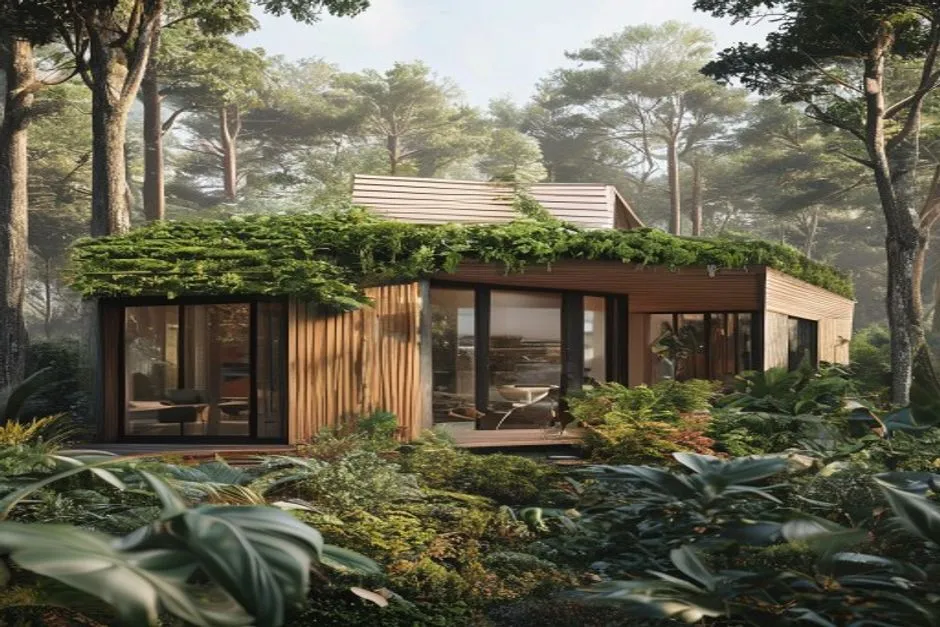
The world of architecture is undergoing a significant transformation, with a focus on sustainability and environmental responsibility. In recent years, there has been a resurgence of interest in natural building materials, driven by their unique aesthetic appeal and eco-friendly properties. From reclaimed wood to low-carbon concrete, architects and builders are now opting for materials that not only reduce the carbon footprint but also create healthier indoor spaces. Natural building materials offer a wide range of benefits, including improved air quality, enhanced thermal insulation, and a reduced risk of moisture-related problems. Moreover, these materials can be sourced locally, reducing transportation emissions and supporting local economies. One of the most popular natural building materials is bamboo, known for its exceptional strength, durability, and sustainability. Bamboo is highly renewable, with some species growing up to three feet per day, making it an ideal choice for building applications. Another natural material gaining popularity is hemp, which can be used to create insulation, roofing, and even walls. Hemp is highly resistant to mold, mildew, and pests, ensuring a healthier indoor environment. In addition to these materials, architects are also exploring the use of natural stone, such as limestone and granite, for their unique textures and thermal properties. These materials not only add visual interest to a building but also provide excellent thermal mass, reducing the need for mechanical heating and cooling systems. The use of natural building materials is not limited to residential projects; it is also being adopted in commercial and industrial applications. For instance, the use of cross-laminated timber (CLT) is becoming increasingly popular in high-rise construction, offering a sustainable alternative to traditional steel and concrete. CLT is made from layers of wood pressed together, creating a strong and stable material that can support heavy loads. Furthermore, natural building materials can be used in combination with modern technologies, such as solar panels and green roofs, to create truly sustainable buildings. As the world continues to urbanize, the demand for sustainable and eco-friendly building practices will only continue to grow. In response, architects, builders, and manufacturers must work together to develop innovative solutions that balance aesthetic, functional, and environmental considerations. By embracing natural building materials, we can create buildings that not only minimize their impact on the environment but also promote occupant health and wellbeing. This shift towards sustainability is not just a trend; it is a necessary step towards creating a more resilient and regenerative built environment. As we move forward, it will be exciting to see how natural building materials continue to evolve and influence the world of architecture. With their unique blend of traditional craftsmanship and modern innovation, these materials are poised to play a major role in shaping the future of our built environment. In conclusion, the rise of natural building materials is a positive development that has the potential to transform the way we design, build, and interact with our surroundings. By choosing natural materials, we can create buildings that are not only beautiful and functional but also sustainable and environmentally responsible. This approach to building design and construction has far-reaching implications, from reducing carbon emissions to promoting biodiversity. As we strive to create a more sustainable future, the use of natural building materials will undoubtedly become an essential aspect of our efforts. The benefits of natural building materials are clear, and their adoption is expected to continue growing in the coming years. With ongoing research and development, we can expect to see even more innovative applications of these materials in the field of architecture. Ultimately, the future of building design and construction will be shaped by our ability to balance human needs with environmental considerations. By embracing natural building materials, we can create a better future for ourselves and for generations to come. The time to act is now, and the use of natural building materials is an important step in the right direction. As the demand for sustainable buildings continues to grow, the use of natural materials will become increasingly important. In the years to come, we can expect to see a significant increase in the use of natural building materials in architecture.
Community
Embracing Sustainability: The Rise of Natural Building Materials in Modern Architecture